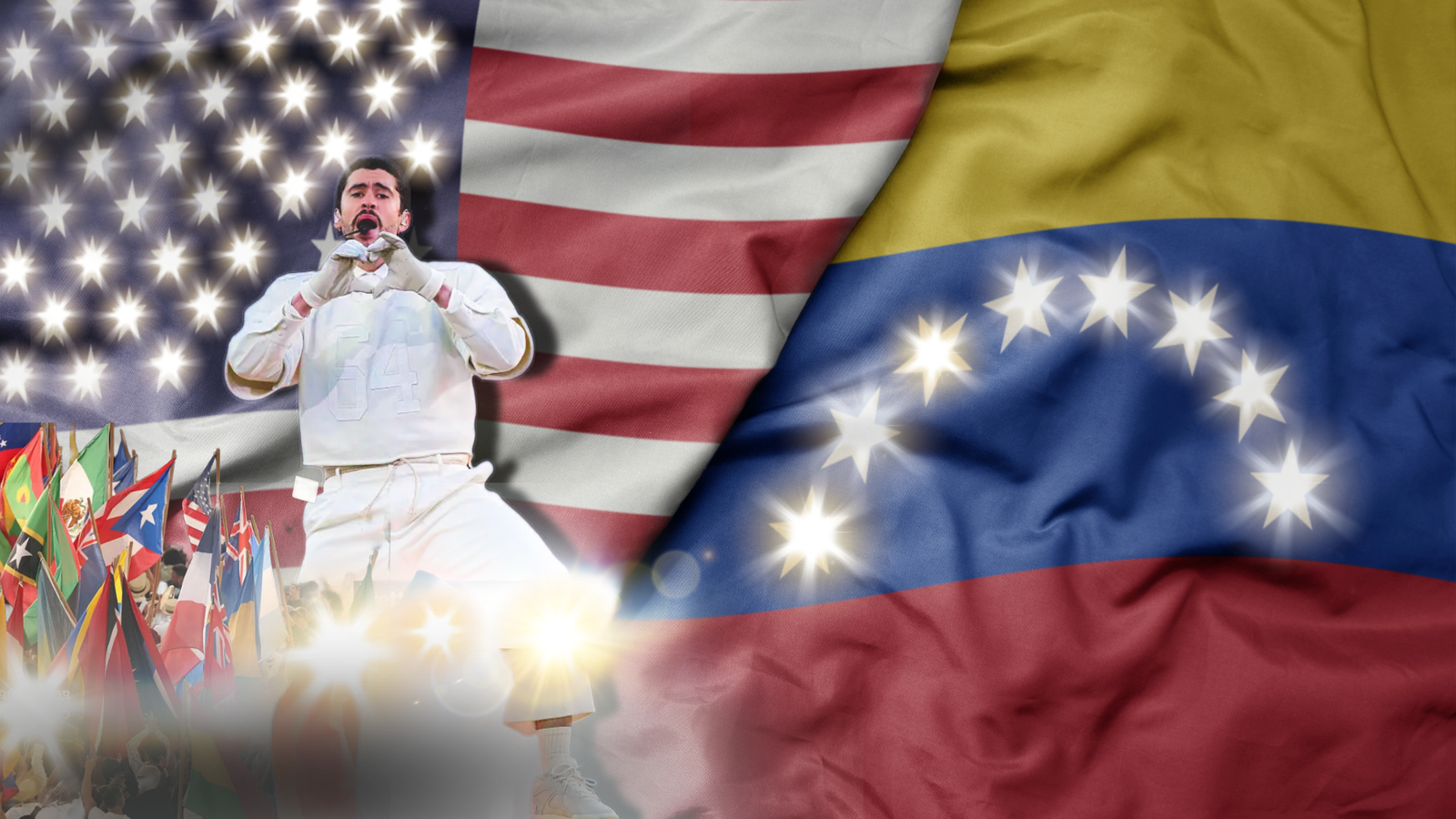


Bad Bunny continues to represent Latinos very well, not just immigrants; he’s making Latin culture transcend borders. As a latino immigrant myself, I do feel solidarity with immigrants in the US and around the world, especially when it’s showcased in art or media commentary on stages as big as the Superbowl. However, I can’t say they have similar stories to mine because everyone has a different story to tell. I don’t applaud the fact that Latinos in the US are talked about so much in this light, as most of them aren’t in fact immigrants
My Story Amid Venezuela’s Crisis
The largest wave of Venezuelan migration began around 2014 and grew between 2016 and 2022. I lived through the worst of it. In 2015, I was in high school, hungry some days—not because we had no money, my father sent us funds from Trinidad—but because there was no food or basic products.
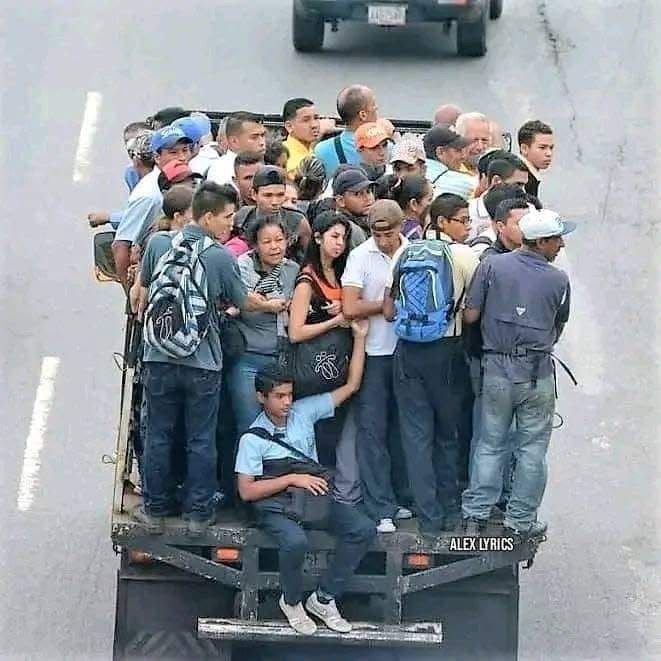
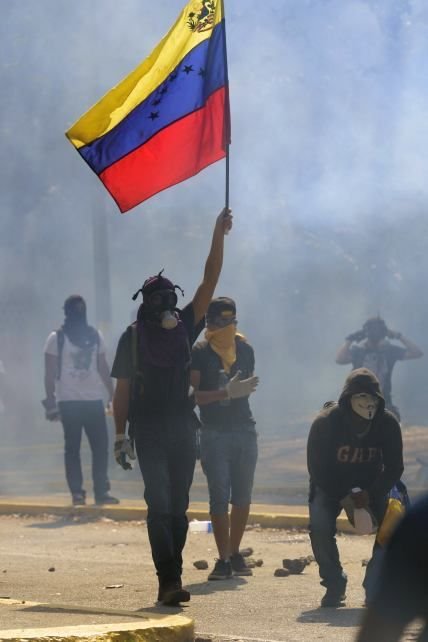
Going to school was a struggle. Public transport barely ran, I often had to walk long distances, and protests in the streets made it dangerous to leave home. Teachers missed classes because their salaries were not enough, and hospitals were overcrowded; you had to bring your own supplies to receive care.
In 2016, I emigrated seeking a better future. Life as an immigrant is hard and humiliating, but I am grateful for the opportunities I have found. I know my story is part of a bigger crisis:
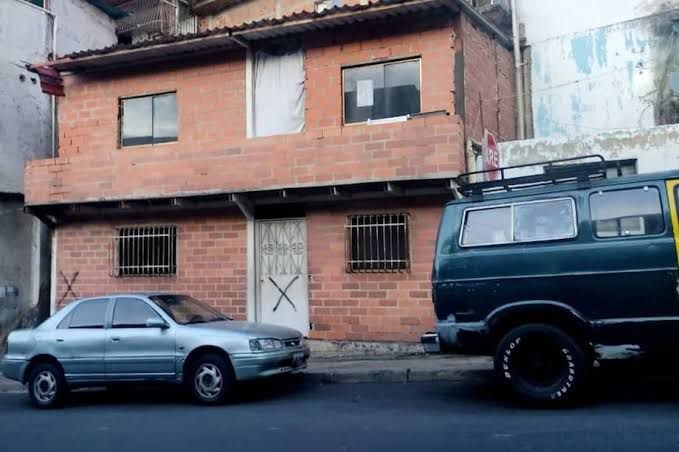
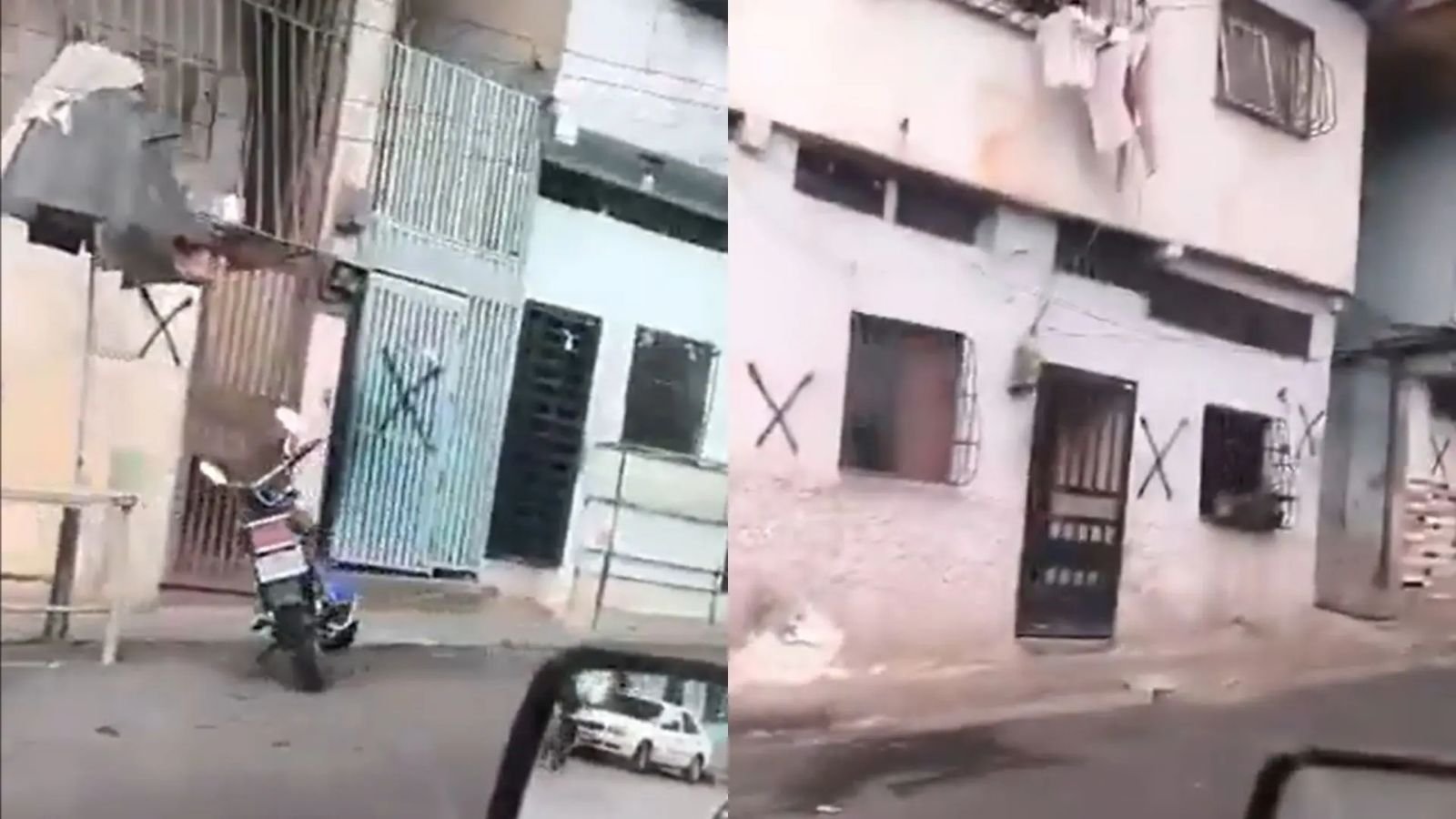
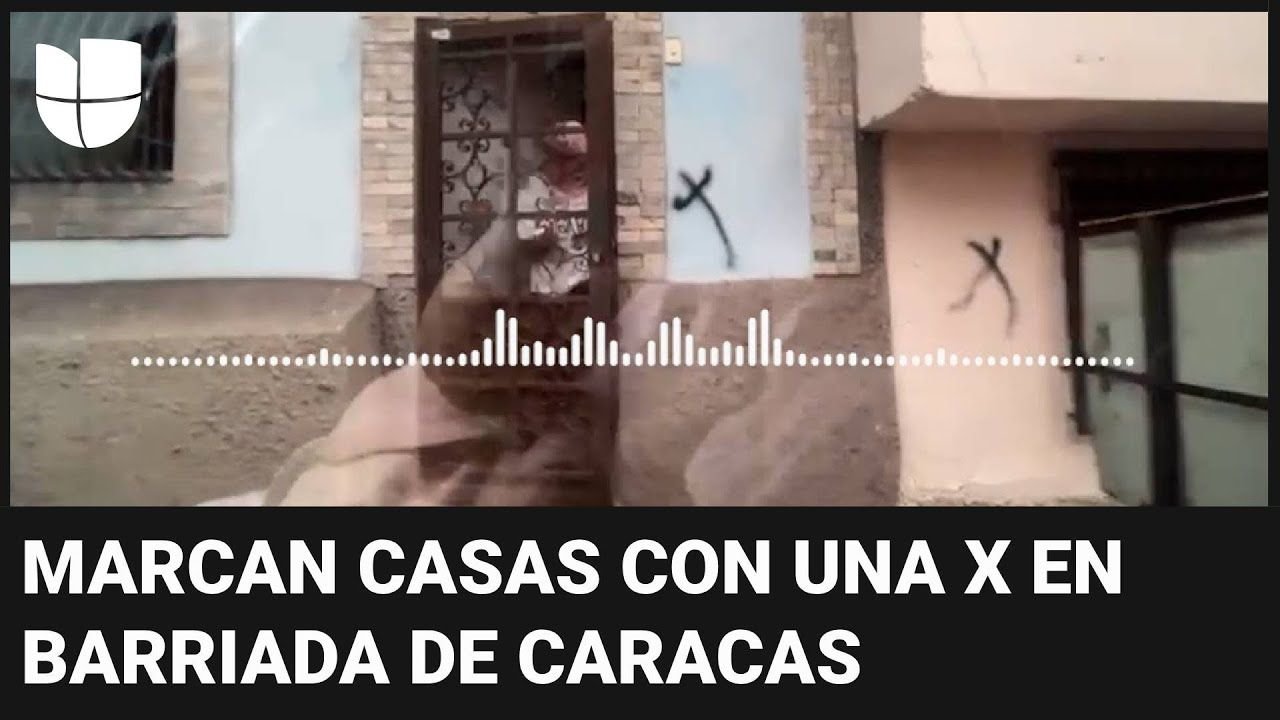
For the next 10 years, I would witness an authoritarian regime from the outside as it exploited and destroyed our country. I was almost in constant fear for my family who lived through the 2024 elections during “Operación Tun Tun” targeting dissenters, and taking thousands of political prisoners in places like El Helicoide; my distant home will relay horrors of illegal mining, oil spills in Lake Maracaibo, economic collapse, and the exile of millions of Venezuelans. While our natural resources, especially oil, have been used by governments such as Iran, Russia, and China, which have strong ties to Nicolás Maduro’s regime, Venezuelans have never seen the benefits of our wealth. Oil, which could have funded education, healthcare, and development, has served to enrich an elite, while the population suffers with one of the lowest wages in the Americas and becomes one of the poorest countries in the region.
The Protest on TV
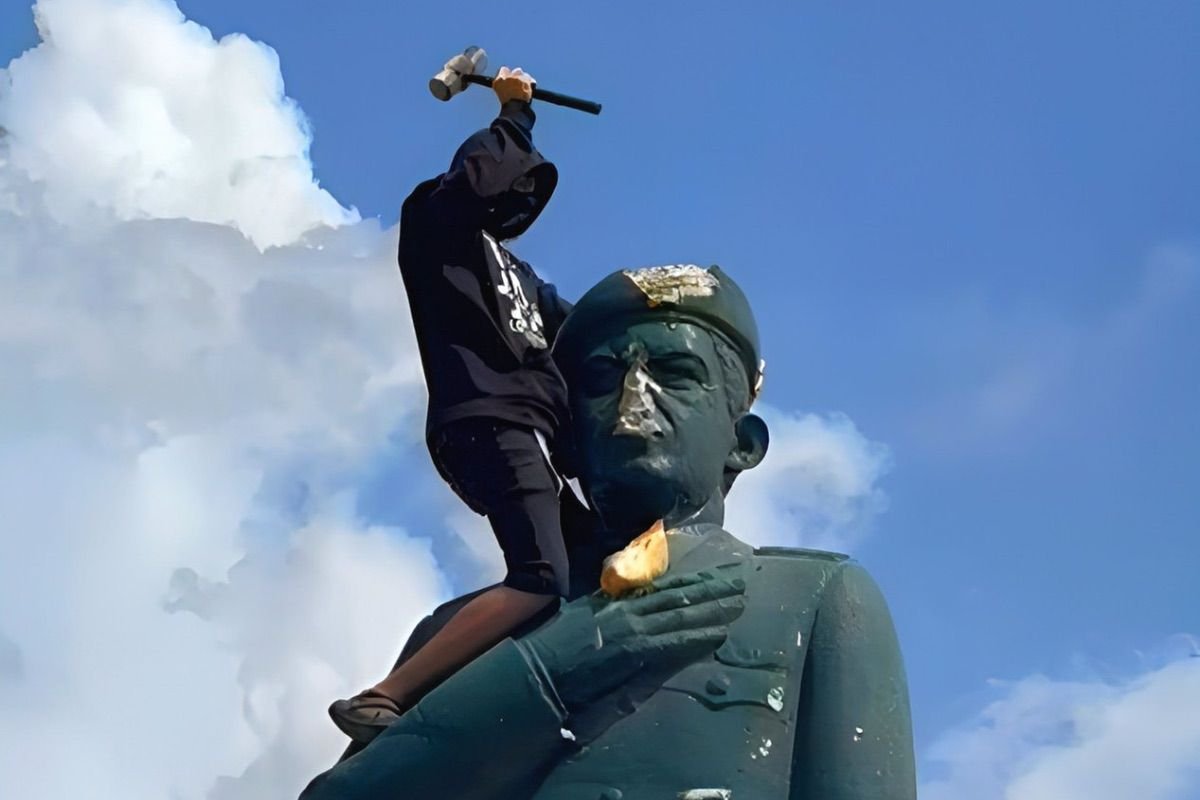
Chavez’s statue is torn down during the 2024 protests against electoral fraud.


I was very young when Hugo Chávez came into power. All I remember was that there were many protests against him, and the massive effect his government had on my friends & family – My aunt had a private medical company, and when Chavez came to power, when I was merely 1 years old, he expropriated many private companies included hers, leaving thousands of people without work. When I was a child, one of the reasons I hated him was because there was a very famous television channel in Venezuela that young people liked because there were many series and novelas on that channel called RCTV. They didn’t support all of Chavez’s ideas, and Chavez ordered the channel to be closed, as well as other television channels and Venezuelan talent. Anyone who opposed him, he silenced.
In recent years, We have Venevision, the biggest channel in Venezuela. They also have numerous series and programs that made our childhood. Unlike RCTV, this channel wasn’t shut down by the Chávez regime; rather, it was silenced for two decades. RCTV was complicit in the dictatorship and never spoke about the issues facing Venezuela. Before, they had a great impact by reporting the news, but since Chávez came to power, they stopped broadcasting news related to the government until recently, when Maduro was captured by the United States. Venezuelans can see how Venevision lost its fear and is now broadcasting real-time news about what is happening in Venezuelan politics.
His reign left Venezuela more polarized, impoverished, and deprived of civil liberties, causing widespread resentment, especially toward the authoritarianism that continued after Chavez’s death. What we hated about Chavez was his dictatorship and his refusal to leave power, but in terms of the country’s conditions, he was far superior to what came next…
After Chávez’s death in 2013, Maduro, who had been his vice president, assumed the presidency and continued authoritarian policies. Analysts note that Chávez prepared the ground for a successor with no charisma or democratic legitimacy to consolidate power even further.
Under Maduro:
– Elections have repeatedly been questioned for lack of transparency and fraud.
– The political system has become increasingly repressive.
– Basic freedoms (expression, assembly, political participation) have been restricted.
– Armed groups and criminal gangs have grown in power, making everyday life dangerous.
What Venezuelans Celebrate Today
Venezuelans living abroad or in exile see Maduro’s capture as an act of justice after decades of authoritarianism, repression, and human rights violations. For them, it symbolizes the end of a corrupt and criminal regime.
They do not celebrate foreign exploitation of our resources or violence. They celebrate the capture of a tyrant who usurped power, violated the constitution, and left the population in misery, with the hope of returning home and reuniting with their families in freedom.
Venezuela was once a wealthy nation with relatively stable institutions and great potential. However, for over two decades, we have watched our leaders seize power and destroy our country from within. Hugo Chávez rose to power promising equality, social justice, and dignity for the poor. But over time, his government eroded democratic institutions, concentrated power, and created a system where dissent is punished and corruption thrives.
This same logic allowed Nicolás Maduro to continue the authoritarian project, deepening the economic crisis, destroying trust in government, and imposing fear and repression. Today, millions of Venezuelans who have suffered hunger, insecurity, hyperinflation, and loss of freedom see not only the end of a dictatorship but the hope of rebuilding a free Venezuela, where the people reclaim the country that has always belonged to them.
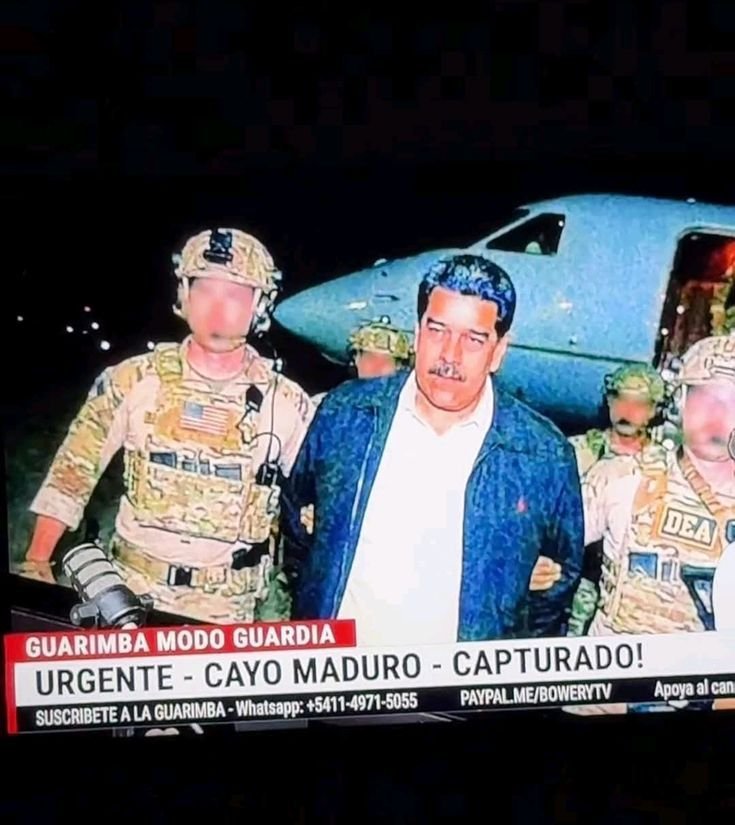
I didn’t celebrate, I was just happy. I found out because I received a call from a friend in Caracas. It was around 11 pm and I was sleeping when he called and told me they were invading Venezuela. After that, I couldn’t sleep. The next day everyone was talking about how they had taken Maduro away and I felt relieved. Although Venezuela is still far from a safe haven, I look forward to going home and visiting my friends and family.
Despite everything, the capture of Maduro is seen by many as a symbol of justice and hope—a chance to reclaim freedom and rebuild a country where Venezuelans can live with dignity.
Bad Bunny continues to represent Latinos very well, not just immigrants; he’s making Latin culture transcend borders. As a latino immigrant myself, I do feel solidarity with immigrants in the US and around the world, especially when it’s showcased in art or media commentary on stages as big as the Superbowl. However, I can’t say they have similar stories to mine because everyone has a different story to tell. I don’t applaud the fact that Latinos in the US are talked about so much in this light, as most of them aren’t in fact immigrants
My Story Amid Venezuela’s Crisis
The largest wave of Venezuelan migration began around 2014 and grew between 2016 and 2022. I lived through the worst of it. In 2015, I was in high school, hungry some days—not because we had no money, my father sent us funds from Trinidad—but because there was no food or basic products.
Going to school was a struggle. Public transport barely ran, I often had to walk long distances, and protests in the streets made it dangerous to leave home. Teachers missed classes because their salaries were not enough, and hospitals were overcrowded; you had to bring your own supplies to receive care.
In 2016, I emigrated seeking a better future. Life as an immigrant is hard and humiliating, but I am grateful for the opportunities I have found. I know my story is part of a bigger crisis:
For the next 10 years, I would witness an authoritarian regime from the outside as it exploited and destroyed our country. I was almost in constant fear for my family who lived through the 2024 elections during “Operación Tun Tun” targeting dissenters, and taking thousands of political prisoners in places like El Helicoide; my distant home will relay horrors of illegal mining, oil spills in Lake Maracaibo, economic collapse, and the exile of millions of Venezuelans. While our natural resources, especially oil, have been used by governments such as Iran, Russia, and China, which have strong ties to Nicolás Maduro’s regime, Venezuelans have never seen the benefits of our wealth. Oil, which could have funded education, healthcare, and development, has served to enrich an elite, while the population suffers with one of the lowest wages in the Americas and becomes one of the poorest countries in the region.
The Protest on TV
Chavez’s statue is torn down during the 2024 protests against electoral fraud.
I was very young when Hugo Chávez came into power. All I remember was that there were many protests against him, and the massive effect his government had on my friends & family – My aunt had a private medical company, and when Chavez came to power, when I was merely 1 years old, he expropriated many private companies included hers, leaving thousands of people without work. When I was a child, one of the reasons I hated him was because there was a very famous television channel in Venezuela that young people liked because there were many series and novelas on that channel called RCTV. They didn’t support all of Chavez’s ideas, and Chavez ordered the channel to be closed, as well as other television channels and Venezuelan talent. Anyone who opposed him, he silenced.
In recent years, We have Venevision, the biggest channel in Venezuela. They also have numerous series and programs that made our childhood. Unlike RCTV, this channel wasn’t shut down by the Chávez regime; rather, it was silenced for two decades. RCTV was complicit in the dictatorship and never spoke about the issues facing Venezuela. Before, they had a great impact by reporting the news, but since Chávez came to power, they stopped broadcasting news related to the government until recently, when Maduro was captured by the United States. Venezuelans can see how Venevision lost its fear and is now broadcasting real-time news about what is happening in Venezuelan politics.
His reign left Venezuela more polarized, impoverished, and deprived of civil liberties, causing widespread resentment, especially toward the authoritarianism that continued after Chavez’s death. What we hated about Chavez was his dictatorship and his refusal to leave power, but in terms of the country’s conditions, he was far superior to what came next…
After Chávez’s death in 2013, Maduro, who had been his vice president, assumed the presidency and continued authoritarian policies. Analysts note that Chávez prepared the ground for a successor with no charisma or democratic legitimacy to consolidate power even further.
Under Maduro:
– Elections have repeatedly been questioned for lack of transparency and fraud.
– The political system has become increasingly repressive.
– Basic freedoms (expression, assembly, political participation) have been restricted.
– Armed groups and criminal gangs have grown in power, making everyday life dangerous.
What Venezuelans Celebrate Today
Venezuelans living abroad or in exile see Maduro’s capture as an act of justice after decades of authoritarianism, repression, and human rights violations. For them, it symbolizes the end of a corrupt and criminal regime.
They do not celebrate foreign exploitation of our resources or violence. They celebrate the capture of a tyrant who usurped power, violated the constitution, and left the population in misery, with the hope of returning home and reuniting with their families in freedom.
Venezuela was once a wealthy nation with relatively stable institutions and great potential. However, for over two decades, we have watched our leaders seize power and destroy our country from within. Hugo Chávez rose to power promising equality, social justice, and dignity for the poor. But over time, his government eroded democratic institutions, concentrated power, and created a system where dissent is punished and corruption thrives.
This same logic allowed Nicolás Maduro to continue the authoritarian project, deepening the economic crisis, destroying trust in government, and imposing fear and repression. Today, millions of Venezuelans who have suffered hunger, insecurity, hyperinflation, and loss of freedom see not only the end of a dictatorship but the hope of rebuilding a free Venezuela, where the people reclaim the country that has always belonged to them.
I didn’t celebrate, I was just happy. I found out because I received a call from a friend in Caracas. It was around 11 pm and I was sleeping when he called and told me they were invading Venezuela. After that, I couldn’t sleep. The next day everyone was talking about how they had taken Maduro away and I felt relieved. Although Venezuela is still far from a safe haven, I look forward to going home and visiting my friends and family.
Despite everything, the capture of Maduro is seen by many as a symbol of justice and hope—a chance to reclaim freedom and rebuild a country where Venezuelans can live with dignity.