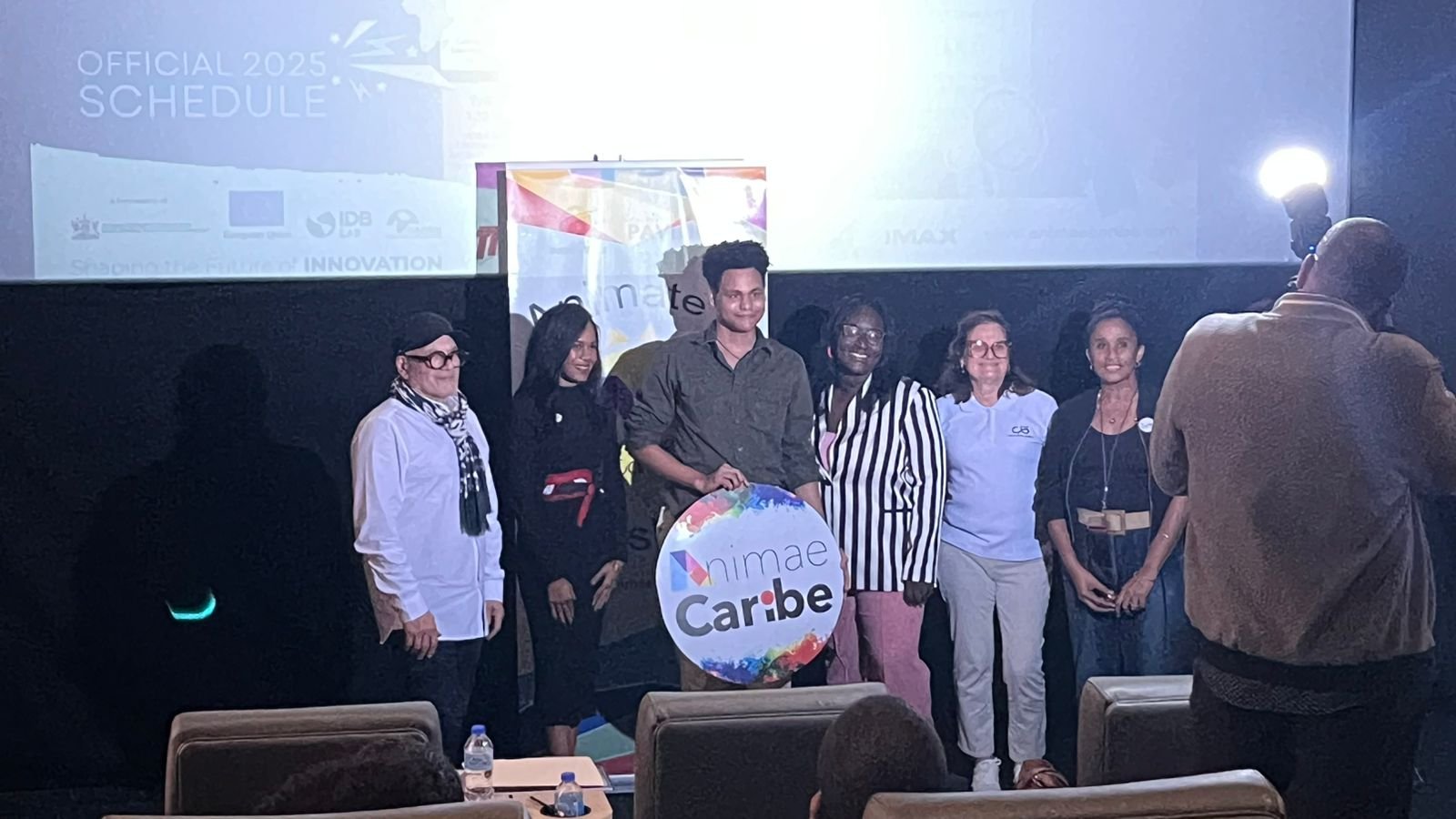

Mindshaya, Bustr’s mystery project, emerges the winner of Animae Caribe Pitch Jam 2025. Back in late November 2025, in a room of animation executives, industry professionals, and Caribbean IP enablers & investors, Mindshaya was presented to the public for the first time ever by Bustr’s founding director, project conceptualizer and manager. A last minute invitation and allowance to participate by Animae Caribe’s founding director, Camille Sevlon, caught Mindshaya’s producer’s off-guard as they scrambled together the pitch deck of a project that has been since frozen in development for months, with exactly 2 weeks from the competition.
Artwork & ideas to sustain a compelling visual pitch were rushed together — drafts were completed — concepts were updated — market positionings were refined — in the nick of time! On the day of the competition, Bustr’s pitch for Mindshaya showed up , ready, and showed off the months of work that went into development before it, to its success.
Making Mindshaya
The concept for Mindshaya started as any Bustr IP does: with a 15-25 page long treatment that should never see the light of day. Originally made to debut as a shounen-anime-type animated series, the project that was expected to be shelved for some time was sped up by the suggestion and enthusiastic involvement of a Trinidadian artist, Jonathan Mason (Jon Mason). In an online conversation as Bustr’s producers were searching for practitioners to initiate several projects in mid-2024, Bustr’s founding director met Jon after being inspired by his unique art style and multifaceted interests in media. “Mindshaya only got legs after Jon’s involvement, almost taking on an involuntary producer role —he got others in the art community involved for the first project meeting with about 6 artists where it was decided that this project was to first and foremostly be a trading/collectible strategic card game — the Caribbean’s first”.
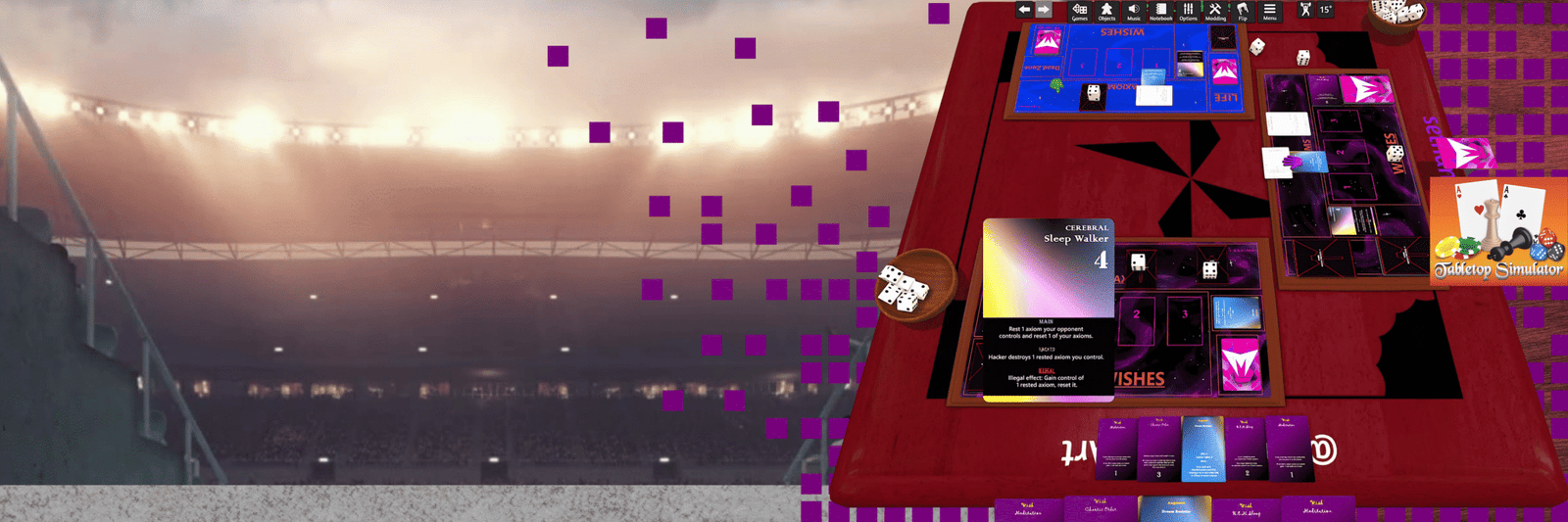
Bustr’s founder and concept originator, Seth Nurse, had never delved into the world of TCGs before, but made effort to educate himself through various levels of research, meeting with the local TCG community and playing Yu-Gi-Oh; seeing firsthand that there is indeed a surprisingly large and dedicated market right in Trinidad and Tobago. Seth went in headfirst into this foreign world, guided by veterans Jon Mason and Reynold Potter-Lee (Rey). Subsequent meetings, play-testing hosted on Tabletop Simulator, project teasing livestreams, and industry research went into making a total of FIVE game versions based off of the original concept. See Mindshaya’s early days teased in livestreams HERE.
Bustr’s producers are reportedly mainly focused on developing IP that has franchise potential. “What was important to is that we were making something that could span nations and resonate beyond a card game as the themes and story from the original concept were engraved into the game mechanics. If this could bring persons from many walks of life together to in fun unison, even a small fraction to the capacity of a Pokemon or Magic The Gathering, I would be happy enough” — Seth Nurse
Inspired by the Generation Before
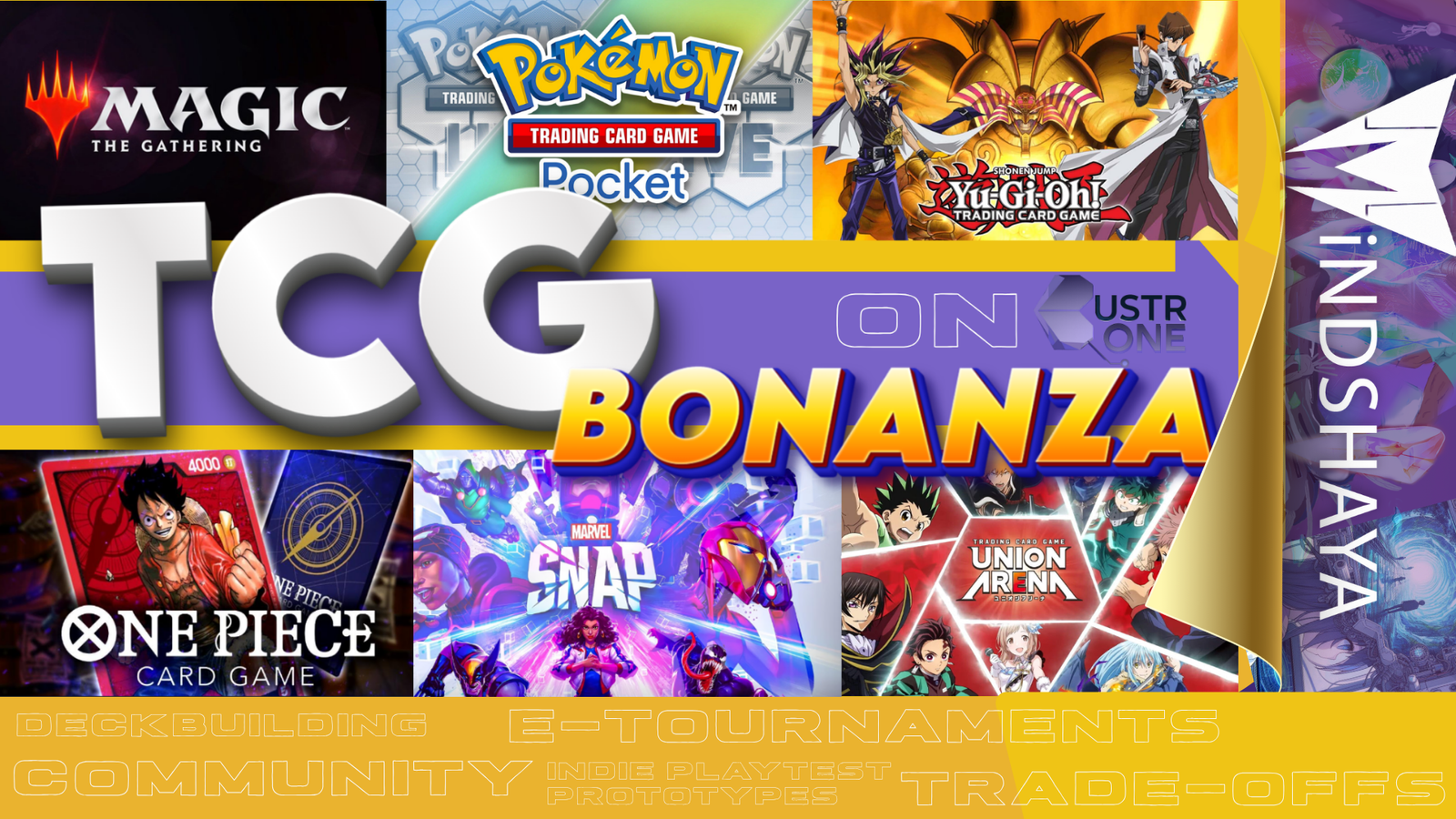
The year is 1996. The Gameboy Pocket just launched, and Japan’s manga series are just becoming increasingly popular in the US. That was the year Pokémon and Yu-Gi-Oh made their debut; one as Nintendo’s sleeper-hit RPG game with never-done-before interactive features and the other as a unique manga series with a fresh concept that dazzled and mystified audiences, and there it was: Japanese media slowly catching fire across the globe. This foreign entity quickly cemented into worldwide culture then divulged and adapted into various merchandise, video games, card games, board games, figurines and TV and movie franchises of their own, all boosting its popularity and staying power as one of the most universally loved, flexible and lucrative IPs ever engineered.
In more recent years, many took heavy inspiration from its innovative predecessors and have produced many RPG games also turning into series (or vice versa) with their own merchandise and adaptive instalments. Those are Digimon etc. None managing to be the trend setter in this format like the originators. Boosted by seemingly never-ending franchises in TV and film which enabled more franchises in gaming and all the merchandise that comes with that, Yu-Gi-Oh and Pokémon, more so, to this day, seem unstoppable. Pokémon games were the reason most people bought Nintendo. The IP even making steady transition with the popularity and updating of PlayStation and Xbox and vanishing of portable gameplay devices. Mobile games were becoming an easy competitor and yet the IP showed its ability to evolve with technology with the release of Pokémon Go; GPS prowess meets augmented reality, yet another innovative direction for the IP was initiated. It is hard to say if the hype will ever die. But that is just the wonder, longevity, and potential of a singular brilliant idea.
It is now 2026, AI and crypto is all the rave. How will this IP & media format continue to adapt?
Regardless, one thing’s for sure is that it will continue to inspire…
Bustr and Mindshaya producers have recently met with Animae Caribe for a follow-up sensitization meeting towards outlining the steps going forward for a business incubator-relationship sponsored by the Caribbean Development Bank; a strong backing that sets Mindshaya up strongly for global market access and success. The project is now recruiting artists and volunteers for Beta testing on Bustr’s discord server: HERE